inquiry
Leave Your Message

China Top Fire Door Price List How Much Does It Cost?

China’s fire door market combines industrial scale, strict testing, and highly variable project requirements. This makes a reliable Fire Door Price List more useful than a single advertised number. Buyers may compare steel, timber, or glazed fire doors, but the quotation must also show fire rating, dimensions, hardware, certification, packaging, and delivery terms.

Research and Markets’ Fire Doors Global Market Report 2024 identifies construction activity, renovation, and safety regulation as major market drivers. Grand View Research also reports continued growth in the global fire door sector, although published estimates differ by region and product category. That difference matters. A factory price in China may exclude export packaging, inland transport, inspection, taxes, or installation. A low figure can become expensive after these additions.

China’s GB 12955-2008 standard provides the core technical framework for fire doors, including performance classifications and testing requirements. International guidance, such as NFPA 80, also emphasizes correct installation, approved hardware, and maintained clearances. Compliance is not decoration. It affects the final cost.

This guide examines typical China fire door pricing through a practical purchasing lens. It considers material thickness, door size, fire-resistance duration, glass area, locksets, closer systems, order volume, and customization. Steel thickness is easy to see. Test documentation is not. That is where mistakes often begin.

Prices can change quickly.

Therefore, the following discussion should be treated as a budgeting reference, not a final commercial offer. Buyers should request current quotations, product certificates, test reports, and a complete cost breakdown from qualified manufacturers. Awareness is useful, but verification is better.
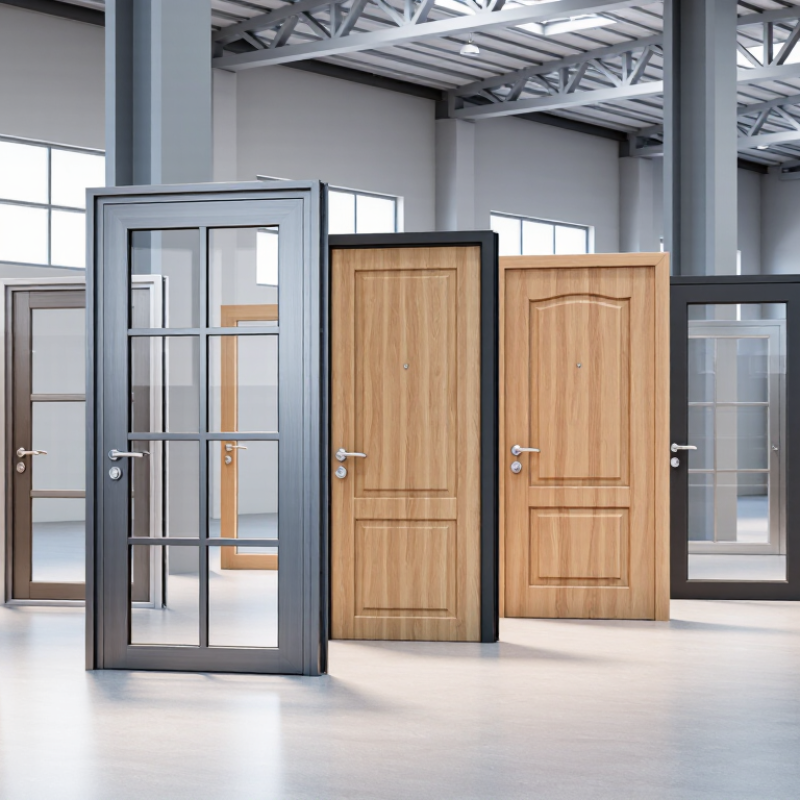
China Top Fire Door Price List How Much Does It Cost?

What Determines Fire Door Prices in China?

What Determines Fire Door Prices in China?

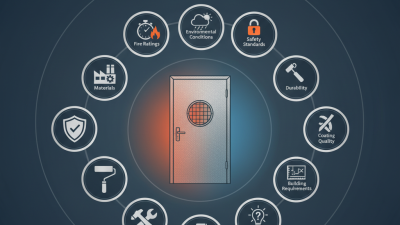
Fire door prices in China depend on more than the steel sheet. The fire-resistance rating is often the largest cost factor. A 60-minute door usually requires less insulation than a 120-minute model. Its core may use mineral wool, calcium silicate, or another tested material. Density, thickness, and moisture resistance also affect the final quotation.

Door size changes the price quickly. Oversized openings need stronger frames, hinges, and closer systems. Stainless steel surfaces cost more than painted galvanized steel. Vision panels, panic hardware, smoke seals, and automatic closing devices add further expense. Hardware should match the tested door assembly. Mixing unrelated parts can reduce reliability. It is an easy detail to miss.

Order quantity also matters. Large production runs reduce forming and packing costs. Small orders often carry higher setup charges. Custom colors, unusual dimensions, and special packaging increase labor time. Certification documents and laboratory testing may also affect the price, especially for export projects. Buyers should request test reports, material specifications, and a complete hardware schedule. A low quote can look attractive, but it may exclude delivery, taxes, installation, or replacement parts. That is where confusion starts. Prices can also change with steel costs and exchange rates, so a written quotation should state its validity period. Comparing only the door leaf is not enough; compare the complete, tested assembly.

China Fire Door Price Ranges by Type and Rating

China Top Fire Door Price List: How Much Does It Cost?

China fire door prices vary by material, fire rating, size, and hardware. Based on recent supplier quotations, a basic steel fire door often costs 80 to 180 US dollars per set. A wooden fire door usually ranges from 120 to 280 dollars. These prices commonly cover the door leaf and frame, but not installation or international freight.

For a 30-minute rating, buyers may pay 70 to 160 dollars for steel models. A 60-minute steel door generally costs 100 to 220 dollars. For 90-minute protection, the range is about 150 to 320 dollars. A 120-minute door can reach 220 to 450 dollars, especially with thicker cores and reinforced frames. Fire-rated glass doors cost more, often from 300 to 900 dollars per set.

Specifications change the final quote quickly. Stainless-steel finishes, panic bars, closers, vision panels, and custom dimensions add cost. Hardware alone may increase the price by 30 to 120 dollars. I have seen low quotations exclude testing documents, packing, or hinges. That creates a misleading comparison. Price should be checked against the required rating, door size, test standard, and delivered condition. A cheaper door is not always a lower-cost purchase. Configuration matters more than the headline number.

China Top Fire Door Price List: How Much Does It Cost? — China Fire Door Price Ranges by Type and Rating

Fire Door Type Typical Fire Rating Core / Construction Indicative China Price
(USD/m²)
Common Applications Estimated Lead Time
Hollow Steel Fire Door A0.50–A1.50
Approx. 30–90 minutes
Galvanized or cold-rolled steel skin with mineral wool or vermiculite core $45–$110 Industrial buildings, utility rooms, warehouses, stairwells 15–25 days
Insulated Steel Fire Door A1.00–A2.00
Approx. 60–120 minutes
Reinforced steel leaf with high-density mineral wool, steel frame and intumescent seals $75–$165 Commercial buildings, hospitals, schools, fire-rated corridors 20–30 days
Steel-Wood Composite Fire Door A1.00–A1.50
Approx. 60–90 minutes
Steel reinforcement, engineered timber facing and fire-resistant mineral core $90–$190 Apartments, hotels, offices and residential interior entrances 25–35 days
Timber Fire Door A0.50–A1.00
Approx. 30–60 minutes
Fire-rated timber veneer or laminate over an engineered fire-resistant core $95–$220 Hotels, apartments, offices and interior architectural applications 25–40 days
Stainless Steel Fire Door A1.00–A2.00
Approx. 60–120 minutes
Stainless steel surface with mineral wool core and reinforced fire-rated frame $150–$320 Cleanrooms, food-processing facilities, coastal projects and public buildings 30–45 days
Fire-Rated Glazed Door E30–E90 / EI30–EI90
Approx. 30–90 minutes
Fire-resistant glass in a steel or aluminum-rated frame $220–$520 Office partitions, shopping centers, hotels and public circulation areas 35–50 days
Oversized or Double-Leaf Fire Door A1.00–A2.00
Approx. 60–120 minutes
Heavy-duty steel construction with reinforced leaves, frame, closer and panic hardware $130–$280 Factories, logistics centers, parking garages and equipment rooms 30–45 days
Pricing basis: The figures are indicative China export price ranges for a standard single door set, generally including the door leaf and frame. Prices are shown in USD per square metre and may vary according to dimensions, steel thickness, core material, hardware, surface finish, glazing, certification, order quantity, packaging and shipping terms. Fire-resistance performance must be verified through the applicable test reports and local building regulations.
Typical additional costs: Fire-rated hardware may add approximately $15–$80 per set; vision panels may add $35–$150 per door; panic exit devices may add $45–$180 per door; custom finishes and non-standard sizes are normally quoted separately.

Material, Certification, and Hardware Cost Breakdown

China Top Fire Door Price List: Material, Certification, and Hardware Cost Breakdown

In China, a standard steel fire door usually costs about RMB 800–2,500 per square metre. Stainless steel models may reach RMB 1,800–4,500. Timber fire doors often range from RMB 1,000–3,000 per square metre. These are working market estimates, not fixed quotations. Door thickness, insulation core, size, and order volume change the final price. Grand View Research identifies material choice and construction demand as major fire-door market cost drivers. That finding matches procurement experience.

Certification can add RMB 20,000–80,000 for testing, documentation, and production preparation. The cost is normally shared across many units. China’s GB 12955 standard requires fire-resistance performance, sealing, and hardware compatibility. A 60-minute door needs suitable hinges, a certified closer, a latch, smoke seals, and sometimes panic hardware. Hardware commonly adds RMB 150–800 per door. Imported-looking finishes may cost more, but appearance does not prove fire performance. That is an easy mistake.

Tips: Request a line-item quotation. Separate the leaf, frame, glass, hardware, certification, packaging, and delivery. Check the test report’s model, dimensions, rating, and issuing laboratory. NFPA’s 2024 fire-loss report recorded more than 1.5 million reported fires in the United States, showing why performance evidence matters. Still, local project rules may differ. Some estimates also underprice installation and wall-opening repairs. Recheck those items before comparing suppliers.

How to Compare Chinese Fire Door Suppliers and Quotations

China Top Fire Door Price List: How Much Does It Cost?

Comparing Chinese fire door suppliers requires more than checking the lowest quotation. A practical price review should separate the door leaf, frame, hardware, glazing, coating, packaging, and delivery. Fire door prices often vary because suppliers quote different test configurations. Ask for the tested size, fire-resistance rating, core material, and hardware schedule. A 90-minute door is not automatically comparable to another 90-minute door.

NFPA’s Fire Loss in the United States During 2023 reported about 1.39 million fires and approximately 22.1 billion dollars in property damage. This data shows why certification and traceability deserve real budget space. Request test reports from recognized laboratories, factory quality records, and batch photographs. Check whether the report matches the proposed construction. Small differences matter.

Look beyond the unit price. Compare Incoterms, minimum order quantity, sample charges, pallet design, replacement policy, and lead time. A supplier offering a 40-dollar lower door may exclude certified hinges or export packing. That is not savings. It is delayed cost. Chinese suppliers should also clarify compliance with GB 12955, EN 1634-1, or the project’s required standard. Still, documents can be incomplete. I would inspect production samples and verify measurements before placing a large order.

Import, Shipping, and Installation Costs to Consider

A China fire door price list usually shows the factory price, but that is only one part of the budget. Importers should request a detailed quotation for the door leaf, frame, hinges, closer, glazing, and packing. A basic steel fire door may appear affordable, yet upgraded ratings, stainless hardware, or custom dimensions can increase the unit cost quickly. Certification documents and testing reports should also be checked before payment.

Import costs may include export packing, documentation, customs clearance, duties, and inland transport. Sea freight is often economical for large orders, but port delays and storage charges can change the final amount. Ask whether the quotation uses FOB, CIF, or another shipping term. These terms allocate costs differently, and confusion can create expensive surprises. Insurance is another small charge that deserves attention.

Installation requires more than labor. The site may need unloading equipment, temporary storage, wall preparation, fire-rated sealant, and frame adjustment. Local installers must follow the approved drawings and applicable building requirements. In my project estimates, installation was once treated as a minor expense, but uneven openings added hours and replacement materials. That estimate was too optimistic. A practical budget should include a contingency of about 10% to 15%, while keeping a record of every assumption, measurement, and excluded service.

China Fire Door Price List: Import, Shipping, and Installation Costs

Estimated landed cost per standard 900 × 2100 mm fire door in USD

The chart uses indicative mid-market estimates for commonly traded fire-door categories. Product prices are based on typical China export ranges, while shipping assumes consolidated sea freight, import-related charges assume approximately 5% of the product value, and installation reflects standard labor without major structural modification. Actual costs vary by fire rating, certification, order quantity, destination, exchange rates, port charges, and local taxes.